
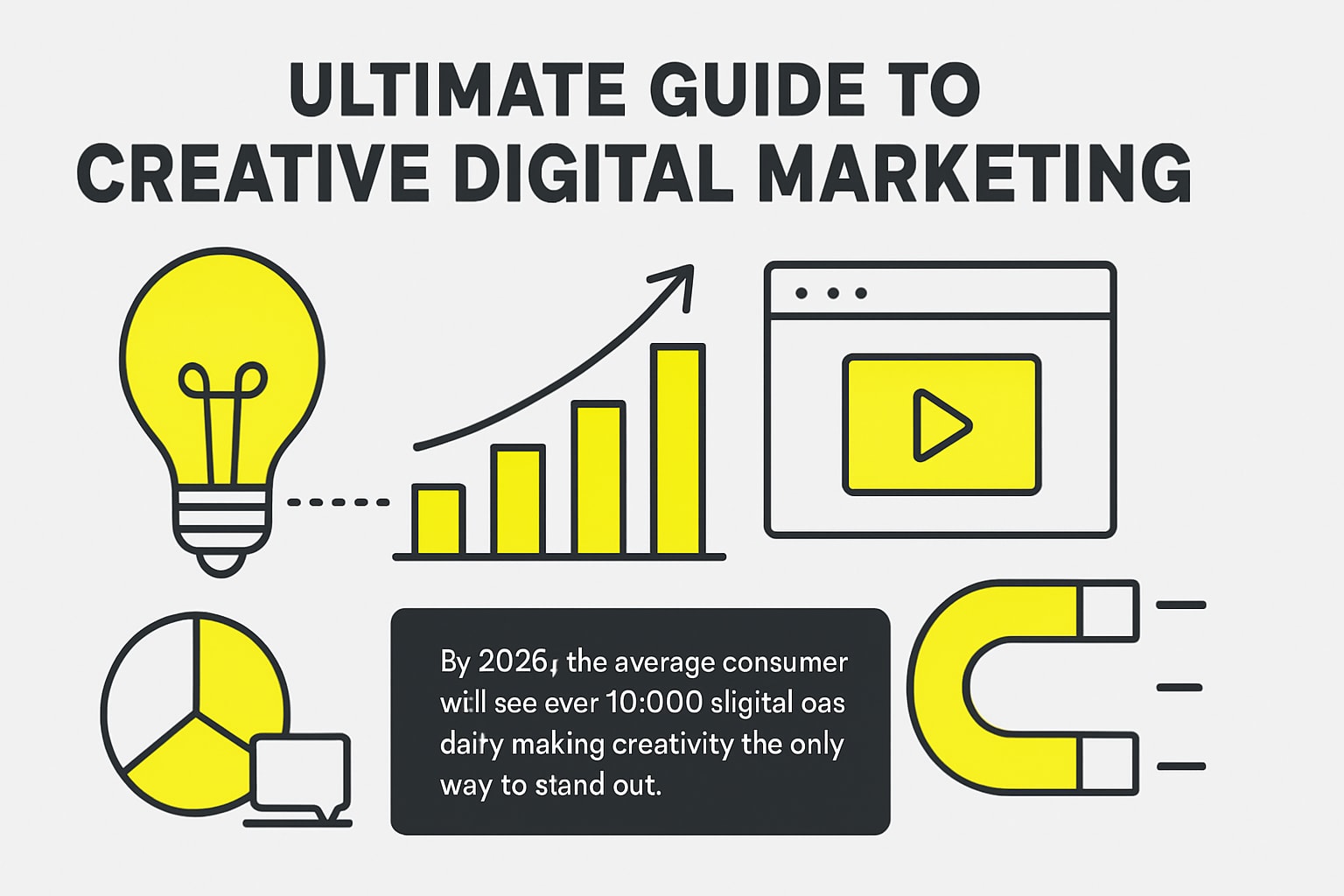
By 2026, the average consumer will encounter more than 10,000 digital ads every single day. With such intense competition for attention, only creative digital marketing will help your brand break through the noise.
This guide is your roadmap to mastering creative digital marketing in 2026. Whether you are an e-commerce leader or a DTC disruptor, you will discover actionable strategies and proven frameworks used by top brands in fashion, beauty, wellness, and home.
We will explore how creative digital marketing has evolved, spotlight key 2026 trends, and walk you through a step-by-step approach to building effective campaigns.
See how brands drive measurable growth with innovative formats, smarter measurement, and cutting-edge tools. Get ready for results you can see and strategies you can use right away.
The Evolution of Creative Digital Marketing: 2026 and Beyond
As the digital landscape grows more saturated, creative digital marketing sets brands apart by combining data-driven insights with imaginative storytelling. Unlike traditional digital marketing, which often prioritizes reach and frequency, this approach focuses on forging genuine emotional bonds with consumers. For example, Mulberry Marketing’s Kai Urban Retreat campaign used narrative-driven visuals to boost bookings and strengthen customer loyalty.
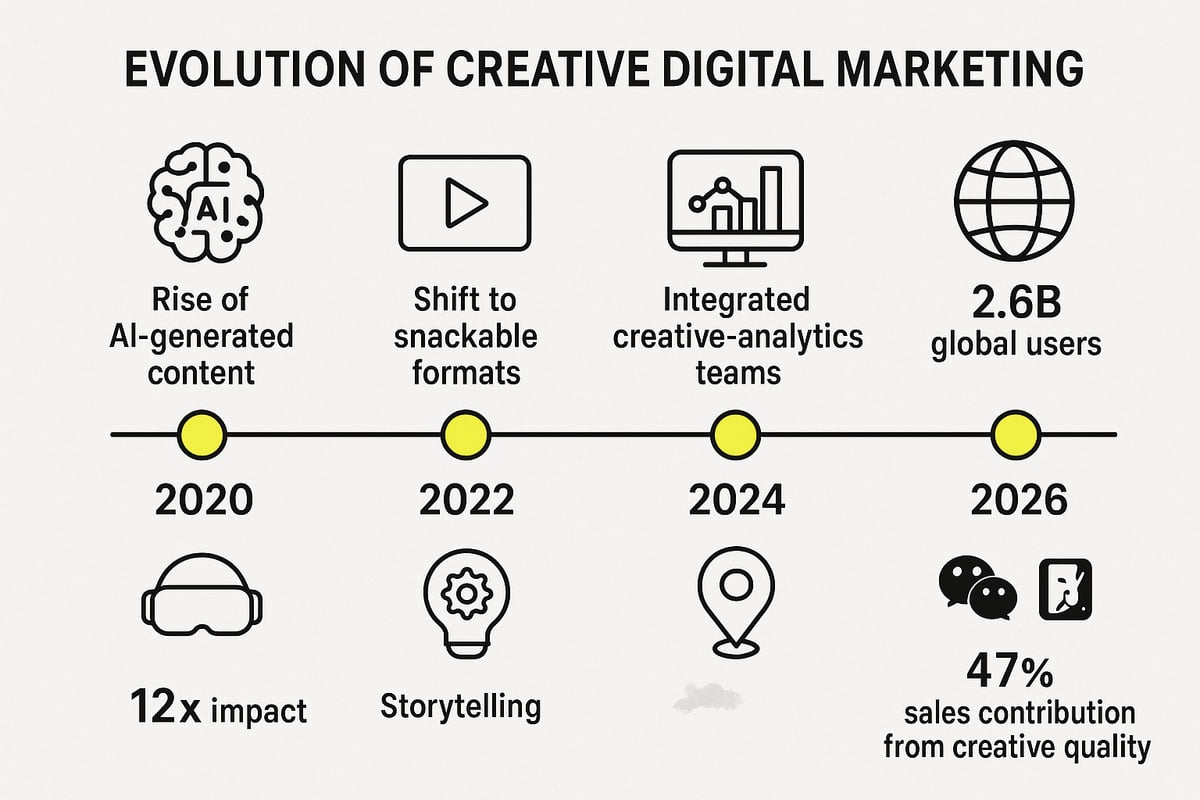
Creative digital marketing leverages both analytics and artistry. A recent LinkedIn study found that campaigns balancing creativity with effectiveness are 12 times more impactful than those relying on data or imagination alone. By blending emotional hooks with measurable results, brands can build lasting connections and drive real business growth.
Understanding Creative Digital Marketing
Creative digital marketing is the fusion of data-backed tactics and original storytelling. Its core strength lies in connecting with audiences on an emotional level, not just pushing products. Unlike traditional approaches, which might focus on impressions or clicks, this method prioritizes brand affinity and memorable engagement.
Take Mulberry Marketing’s Kai Urban Retreat campaign as an example. By weaving customer stories into their messaging, the brand saw a noticeable increase in bookings and engagement. According to LinkedIn, campaigns that strike a balance between creativity and effectiveness are 12 times more likely to deliver significant results. This proves that creative digital marketing is essential for brands aiming to stand out in a crowded market.
Why Creativity Matters More Than Ever
Ad fatigue is at an all-time high. With consumers exposed to thousands of messages daily, only those rooted in creative digital marketing truly resonate. Research from the Advertising Research Foundation reveals that creative quality now drives 47% of sales contribution, making it the single most powerful lever for ROI.
For instance, the International Jewellery Fair’s virtual showroom campaign reached over 46,000 people at an impressively low $0.21 CPC, thanks to innovative content and storytelling. Emotional resonance from creative digital marketing not only lifts brand recall but also fosters deeper loyalty, turning one-time buyers into brand advocates.
Key Shifts in 2026
Several major shifts are redefining creative digital marketing in 2026. The rise of AI-generated content means human creativity is now a key differentiator. Brands must also master micro-moments and snackable content, delivering value in seconds across platforms. Cross-cultural marketing is gaining importance as global expansion accelerates.
Consider Flowers Vasette, who used cross-cultural KOL partnerships on Little Red Book to reach new audiences in Asia. These trends, highlighted in Adobe's 2026 Creative Trends Forecast, show that staying ahead requires agility and cultural intelligence. Brands need to constantly adapt their creative digital marketing strategies to remain relevant in a dynamic world.
The New Creative-Performance Balance
In 2026, successful brands achieve the right balance between creative digital marketing and performance analytics. This means integrating creative and data teams to ensure every campaign supports both brand storytelling and measurable objectives.
DTC fashion brands are a prime example. By riding TikTok trends, they create viral campaigns that drive both engagement and conversions. However, the challenge is to avoid creativity for its own sake. Every idea must be mapped to clear business goals, ensuring that creative digital marketing delivers both inspiration and impact.
2026’s Top Creative Digital Marketing Trends
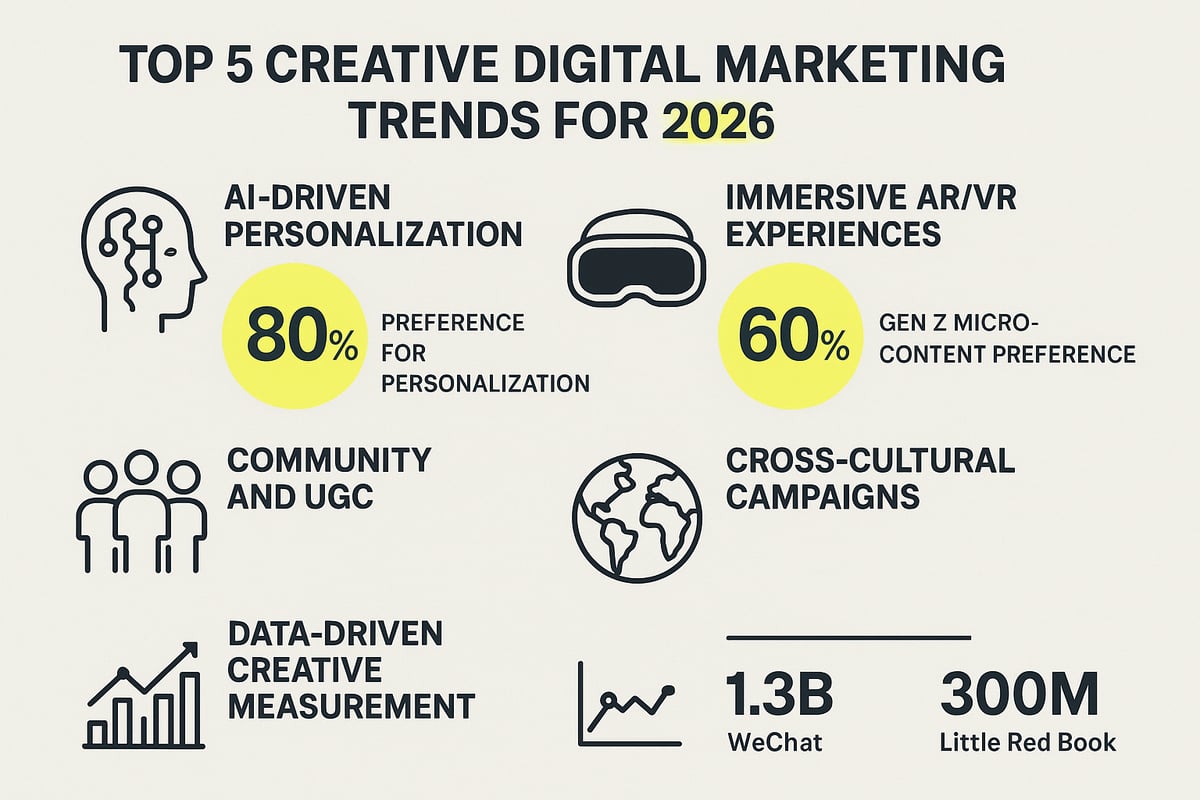
In 2026, creative digital marketing is evolving faster than ever, driven by new technologies and consumer expectations. Brands in fashion, beauty, lifestyle, health, and home sectors must embrace these trends to stay ahead. Here are the top creative digital marketing trends shaping success this year.
AI-Driven Personalization and Content Creation
AI is transforming creative digital marketing by enabling brands to deliver hyper-personalized content at scale. For example, beauty brands now use AI to analyze customer preferences and send tailored product recommendations via email and SMS. This approach increases relevance and conversion rates.
To implement this trend:
- Use AI platforms to segment your audience by behavior, not just demographics.
- Deploy dynamic content blocks that change based on individual interests.
- Test AI-generated subject lines and visuals to boost engagement.
Data shows 80% of consumers are more likely to buy from brands offering personalized experiences. For a deeper dive into leveraging AI for ecommerce, see How to Use AI in Ecommerce Marketing.
Immersive and Interactive Experiences
Immersive experiences are redefining creative digital marketing in 2026. Home and living brands, for instance, are launching AR "try before you buy" tools, letting shoppers visualize furniture in their own space. Interactive quizzes and 360° videos also keep users engaged.
Action steps:
- Integrate AR or VR tools for product demos or virtual showrooms.
- Create interactive quizzes to guide product discovery.
- Use micro-moment content to engage users at key touchpoints.
These formats drive longer engagement and higher purchase intent, making creative digital marketing more effective.
Community and User-Generated Content
Building a loyal community is now central to creative digital marketing. Fashion brands encourage customers to share their looks through hashtag challenges on TikTok and Instagram. This user-generated content (UGC) increases authenticity and trust.
To harness this trend:
- Launch branded challenges and feature the best submissions.
- Incentivize reviews and social shares with rewards.
- Collaborate with micro-influencers to co-create content.
UGC campaigns not only boost engagement but also reduce content production costs, making creative digital marketing accessible for brands of all sizes.
Cross-Cultural and Global Creative Strategies
As markets globalize, cross-cultural strategies are vital in creative digital marketing. Leading health and wellness brands localize campaigns for Asian platforms like WeChat and Little Red Book, adapting messaging and visuals to fit local preferences.
Steps to succeed:
- Research cultural trends and values in each target market.
- Partner with local influencers and KOLs for authentic storytelling.
- Translate and adapt content, not just language but imagery and tone.
WeChat boasts 1.2 billion active users, while Little Red Book sees 200 million daily users, offering vast potential for creative digital marketing expansion.
Measuring Creative Impact in a Data-Driven World
Measuring the real impact of creative digital marketing now goes beyond basic metrics. Lifestyle brands are using brand lift studies to track perception changes, while advanced attribution models reveal which touchpoints drive conversions.
To optimize results:
- Set clear KPIs: engagement rate, sentiment score, and brand lift.
- Use multi-touch attribution and AI-powered analytics for deeper insights.
- Continuously test and refine creative based on real-time data.
By moving beyond clicks, brands ensure their creative digital marketing efforts drive measurable business growth.
Step-by-Step: Building a Creative Digital Marketing Strategy for 2026
To thrive in 2026, e-commerce and DTC brands need a systematic approach to creative digital marketing. The following six steps provide a blueprint for building strategies that engage, convert, and fuel sustainable growth.

Step 1: Deep Audience Understanding
The foundation of creative digital marketing success is a granular understanding of your audience. Go beyond surface demographics to uncover emotional triggers, buying motivations, and behavioral patterns.
- Use social listening tools to track conversations and trends within your niche.
- Collect zero-party data through surveys, quizzes, and direct feedback.
- Conduct customer interviews to understand pain points and aspirations.
For example, leading beauty brands now segment audiences by skin concerns and lifestyle, not just age or gender. This approach enables highly relevant messaging and product recommendations. To further refine your strategy, explore actionable steps from Narrow Down Your Target Audience.
Step 2: Crafting a Compelling Brand Narrative
A compelling story lies at the heart of every effective creative digital marketing campaign. Focus on your brand’s values, vision, and the emotional journey you want customers to experience.
- Develop a narrative framework, such as “The Story Spine,” to ensure consistency.
- Highlight founder stories, brand missions, or customer transformations.
- Align messaging with audience aspirations and cultural trends.
Fashion brands increasingly share founder journeys and behind-the-scenes content, building community and trust. Data shows that emotionally resonant stories drive 2.5 times higher brand recall, making narrative a non-negotiable in creative digital marketing.
Step 3: Channel and Format Selection
Choosing the right platforms and creative formats is crucial for reaching your audience where they are most active. Evaluate both established and emerging channels.
- Map your customer journey to identify key touchpoints.
- Prioritize channels such as Instagram, TikTok, Pinterest, or email based on audience preferences.
- Experiment with formats like AR filters, short-form video, and interactive polls.
For instance, homeware brands use Pinterest for visual storytelling, leveraging mood boards and shoppable pins. The right mix of channels ensures your creative digital marketing efforts resonate and drive action.
Step 4: Creative Concept Development
Developing bold, goal-driven concepts is the engine of creative digital marketing. Every idea should connect back to measurable business objectives.
- Host brainstorming sessions with cross-functional teams for diverse perspectives.
- Encourage risk-taking and rapid prototyping of new ideas.
- Align concepts with current trends and cultural moments.
Health and wellness brands have seen success launching viral TikTok challenges that combine education and entertainment. Testing multiple creative directions allows brands to quickly identify what sparks engagement and conversion in creative digital marketing.
Step 5: Execution—From Idea to Launch
Effective execution brings creative digital marketing strategies to life. Structure teams and workflows to maximize agility and collaboration.
- Form cross-functional squads including creative, analytics, and media buying roles.
- Use agile sprints for campaign development and iteration.
- Set clear timelines, responsibilities, and feedback loops.
DTC brands often launch campaigns in short sprints, optimizing assets in real time based on performance data. This approach keeps creative digital marketing adaptable and focused on results.
Step 6: Measurement and Optimization
Continuous measurement is vital for ongoing creative digital marketing success. Move beyond vanity metrics to track engagement, sentiment, and business impact.
- Define clear KPIs: engagement rates, sentiment analysis, conversions, brand lift.
- Use A/B testing and real-time analytics to refine messaging and visuals.
- Implement multi-touch attribution models to understand the full customer journey.
Lifestyle brands regularly adjust visuals and copy based on Instagram engagement trends, optimizing for both reach and resonance. This data-driven mindset ensures creative digital marketing efforts remain effective and future-proof.
Innovative Creative Formats and Campaign Examples for 2026
Breakthrough creative digital marketing campaigns in 2026 rely on formats that engage, delight, and convert audiences across every touchpoint. Let’s explore actionable approaches and real-world examples driving results for brands in fashion, beauty, lifestyle, health, and home sectors.
Interactive Content and Gamification
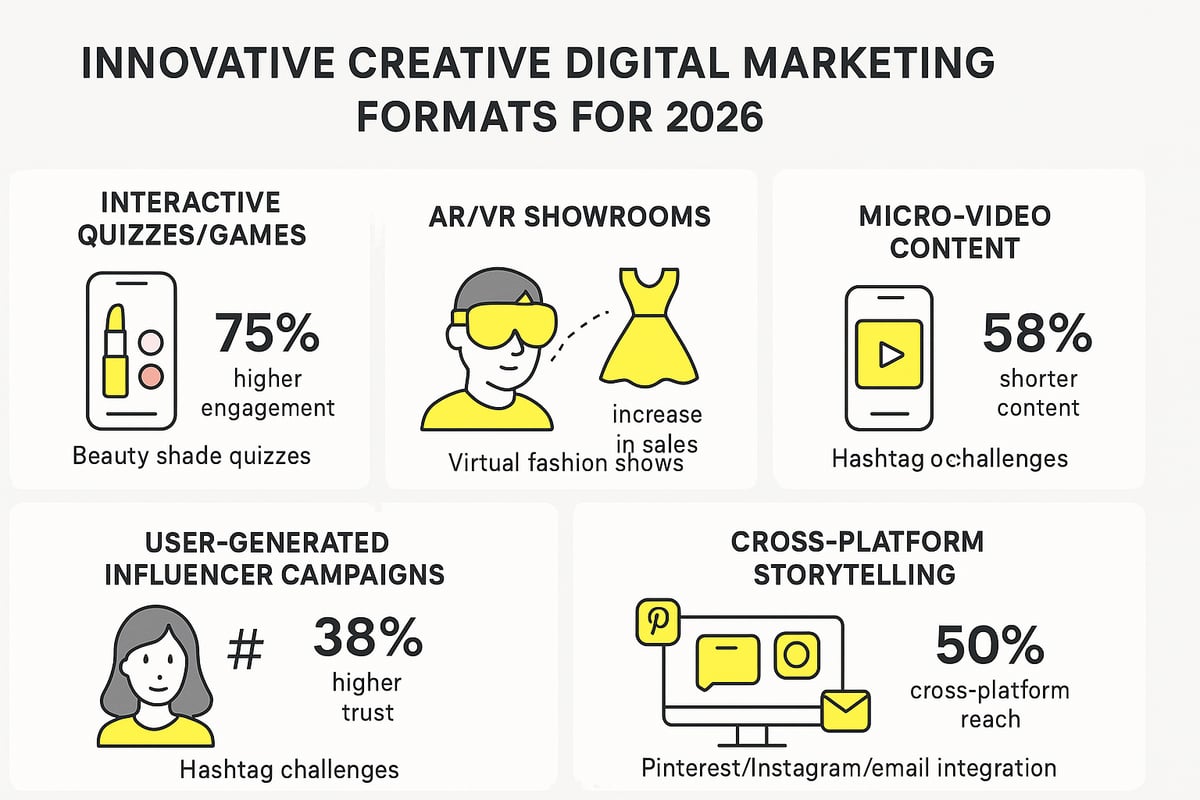
Interactive content is a cornerstone of creative digital marketing, enabling brands to turn passive viewers into active participants. Beauty brands, for example, achieve higher engagement by offering “find your shade” quizzes that guide customers to the perfect product.
Here’s a step-by-step approach:
- Identify key customer questions or pain points.
- Design quizzes or polls that address these areas.
- Incentivize participation with instant feedback or rewards.
According to Demand Metric, interactive content such as games, polls, and quizzes drives twice the conversions of static content. Home and living brands leverage gamified product finders to streamline the buyer journey and collect valuable data for future campaigns.
Immersive Storytelling: AR, VR, and 360° Video
Immersive storytelling elevates creative digital marketing by making brand experiences tangible. Fashion brands now host virtual runway shows using AR and VR, allowing global audiences to “attend” from anywhere.
To implement:
- Map out the customer journey and identify touchpoints where AR or VR can add value.
- Use 360° video for virtual tours or product demos, as seen with home decor brands offering AR room visualizers.
- Test and iterate based on user feedback to refine the experience.
These formats create memorable moments, boosting dwell time and fostering emotional connections that drive loyalty and sales.
Micro-Content for Micro-Moments
Micro-content is essential in creative digital marketing for capturing attention during fleeting “micro-moments.” Health and wellness brands thrive by sharing snackable how-to videos on Instagram Reels, delivering quick, actionable insights just when consumers are searching for solutions.
Steps to leverage micro-content:
- Break complex ideas into short, standalone clips or visuals.
- Align content with customer intent at each stage of the journey.
- Use strong hooks in the first few seconds to maximize engagement.
A recent survey found 60 percent of Gen Z prefers brands that offer quick, helpful content, confirming the shift to bite-sized, high-value messaging.
User-Generated Content and Influencer Collaborations
User-generated content (UGC) is vital for creative digital marketing, building authenticity and trust while reducing production costs. Lifestyle brands often run hashtag challenges with micro-influencers, encouraging real customers to share their experiences and reviews.
How to activate UGC:
- Launch a branded hashtag challenge on TikTok or Instagram.
- Partner with influencers to co-create content that reflects your brand values.
- Curate and showcase the best submissions across channels.
UGC campaigns boost conversion rates by leveraging social proof and community creativity.
Cross-Platform Campaigns and Omnichannel Storytelling
Effective creative digital marketing demands seamless storytelling across platforms. Home brands orchestrate product launches by integrating Pinterest visual boards, Instagram storytelling, and email drip campaigns, ensuring message consistency.
Action steps:
- Map customer touchpoints and craft a unified narrative.
- Repurpose creative assets to fit each platform’s strengths.
- Track results and optimize based on channel performance.
For more actionable ideas, explore these Low-Cost, High-Return Marketing Tactics to maximize campaign efficiency while maintaining creative impact.
Tools, Technologies, and Team Structures for Creative Digital Marketing Success
In 2026, success in creative digital marketing hinges on the right blend of tools, technologies, and collaborative team structures. Brands that invest in these foundations gain a measurable edge in campaign creativity, speed, and impact.
Essential Tools for Creative Collaboration
To fuel creative digital marketing, your team needs seamless collaboration. Start with robust project management tools like Asana or Monday.com to coordinate campaign schedules and feedback loops. Creative production platforms, such as Adobe Creative Cloud and Canva, empower designers to quickly generate and iterate visuals.
For brainstorming, agencies increasingly leverage collaborative whiteboards like Miro, allowing real-time idea sharing across teams. A practical step is to set up shared asset libraries and version control, ensuring everyone works from the latest creative files. In the fashion sector, integrated workflows have enabled brands to cut campaign turnaround times by 30 percent. Use these platforms to centralize briefs, assets, and approvals, making creative digital marketing execution smoother and faster.
AI and Automation Platforms
AI now drives creative digital marketing forward, enabling brands to scale personalization and content creation. Copywriting tools like Jasper and Copy.ai generate ad copy variations tailored to different audience segments. For visuals, platforms such as Midjourney and DALL E create custom imagery that matches campaign themes.
Marketing automation is vital. Klaviyo powers personalized email flows, while ManyChat manages conversational commerce on social channels. E-commerce brands using AI driven automation have reported a 22 percent lift in conversion rates. For a deeper dive into how AI is reshaping strategy, see AI's Impact on Digital Marketing Strategies in 2026. Always blend automation with human oversight to ensure creative digital marketing maintains brand authenticity.
Analytics and Measurement Solutions
Measuring creative digital marketing requires advanced analytics. Multi-touch attribution tools, like Google Analytics 4 and Triple Whale, help e-commerce teams track customer journeys across channels. For social sentiment, platforms such as Brandwatch and Sprout Social provide real time feedback on campaign performance.
Fashion brands often monitor ROI across Meta and TikTok to optimize spend. Implement regular dashboard reviews, comparing engagement, sentiment, and conversion metrics. If you want to see how performance marketing strategies align with creative goals, visit Performance Marketing Services Overview. Establish clear KPIs and use A/B testing to refine every creative digital marketing asset.
Building Agile, Cross-Functional Teams
The modern creative digital marketing team is agile and cross functional. Integrate creative, data, and media buying roles under one roof for rapid execution. DTC brands embed designers and marketers together, fostering daily collaboration and quick feedback.
Adopt a test and learn culture. Run weekly sprints where teams brainstorm, prototype, launch, and optimize campaigns in real time. Home and living brands using this agile approach have reduced campaign launch times from weeks to days. Encourage open communication and celebrate bold creative digital marketing experiments that deliver measurable results.
Future-Proofing Your Creative Digital Marketing: Challenges and Opportunities
In 2026, e-commerce and DTC brands must future-proof their creative digital marketing to stay ahead. Brands face a complex landscape of privacy regulations, automation, and a global consumer base. The following actionable insights and examples will help you navigate these challenges and seize new opportunities.
Navigating Privacy, Ethics, and AI
Creative digital marketing in 2026 must operate within a stricter privacy and data landscape. Cookie deprecation and new privacy laws require brands to rethink data strategies. Start by auditing your data collection processes and prioritize transparency. For example, health and wellness brands now inform customers exactly how their data will be used in campaigns.
To ensure ethical AI use, always disclose when content is AI-generated and offer opt-outs for personalized experiences. Brands can stay ahead by following Top 2026 Digital Marketing Trends, which highlights how to leverage AI responsibly for segmentation and creative testing. Build trust through clear privacy messaging and ongoing compliance reviews.
Balancing Automation with Human Creativity
The balance between automation and human ingenuity defines creative digital marketing success. While AI tools automate content versioning and delivery, human teams inject emotional resonance and big-picture ideas. For example, beauty brands use AI for product recommendations, but humans craft campaign narratives that inspire loyalty.
To strike this balance:
- Assign routine tasks to automation platforms
- Dedicate creative brainstorming to human teams
- Regularly review AI outputs for tone and relevance
According to Digital Marketing Trends for 2026, brands that combine creative digital marketing with AI see higher engagement. Remember, 63% of marketers believe human creativity is their strongest asset.
Scaling Personalization Without Losing Brand Voice
Scaling creative digital marketing personalization is essential, but maintaining a consistent brand voice can be challenging. Use dynamic content blocks in your email and website campaigns, but establish strict brand guidelines to ensure messaging remains authentic. Beauty brands, for instance, create templates that allow for tailored recommendations while adhering to their visual identity.
Steps to maintain brand consistency:
- Conduct regular brand audits
- Train teams on brand tone and values
- Use approval workflows for personalized content
This approach allows brands to deliver relevant experiences at scale without diluting their identity or values.
Embracing Cross-Cultural and Global Growth
As creative digital marketing expands globally, localization becomes a top priority. Adapting language, visuals, and cultural references is key to authentic engagement. Fashion and lifestyle brands excel by partnering with local influencers and platforms—such as WeChat or Little Red Book, which boasts 200M daily users.
To succeed:
- Research local consumer behavior and trends
- Invest in local talent for campaign development
- Test and refine messaging per market
Global growth in creative digital marketing is about building relevance and trust across borders, driving sustainable brand expansion.
Ready to elevate your brand’s digital presence and turn creative ideas into measurable growth? You’ve explored how blending data with creativity is the key to standing out in 2026, and seen what’s possible when you balance performance with truly engaging storytelling. If you’re looking for a partner who understands both the art and science of digital marketing—and can help your ecommerce business thrive in a fast-changing landscape—we’re here to help. Let’s talk about how Good Karma Agency can support your next big leap.
Contact us


