
Ecommerce is set to reach unprecedented heights in 2026, with brands in fashion, beauty, lifestyle, health, and home racing to secure digital dominance. The landscape is more competitive than ever, and every decision counts.
Choosing the right development partner is a strategic move that can define your brand’s success. With so many options, finding the best ecommerce development companies is essential for building high-performing, scalable solutions.
This guide highlights the top 8 best ecommerce development companies in 2026, comparing their offerings, pricing, and unique strengths. If you want to thrive in the digital marketplace, these insights will help you make the smartest choice for your business.
What to Look for in an Ecommerce Development Company in 2026
Selecting from the best ecommerce development companies in 2026 is a strategic decision that can define your brand’s digital future. The right partner will deliver not just a beautiful storefront but also seamless integrations, conversion-driven design, and growth-focused support. Here’s how to make a smart, data-driven choice.
Key Factors for Evaluation
When evaluating the best ecommerce development companies, prioritize technical expertise in leading platforms like Shopify, Magento, and BigCommerce. Confirm that the agency has a proven track record in the fashion, beauty, lifestyle, health, or home sectors.
Assess their ability to integrate with marketing, logistics, and analytics tools critical for your business. Look for transparent pricing and flexible engagement models that fit your budget and goals.
Ongoing post-launch support is essential for sustained growth. To compare platform strengths, review resources like Top Ecommerce Platforms of 2026 to ensure your chosen partner aligns with industry standards.
Essential Features and Services to Consider
The best ecommerce development companies offer custom UX/UI design that reflects your brand and maximizes conversions. Mobile-first and omnichannel strategies are non-negotiable in 2026, ensuring shoppers have a seamless experience across devices.
Advanced integrations, such as ERP, CRM, payment gateways, and fulfillment solutions, enable efficient operations. Performance marketing and CRO services help optimize your site post-launch.
For example, a fashion brand that invested in custom development and CRO saw a 50% increase in its conversion rate, proving the tangible value of a holistic approach.
The Importance of Industry Specialization
Agencies specializing in your sector deliver better results than generalists. The best ecommerce development companies with a focus on D2C fashion, beauty, or home and living understand the unique challenges and opportunities in each niche.
Consider a home and living brand that partnered with a specialized agency and scaled globally, leveraging tailored features and industry-specific integrations. According to industry data, 67% of fast-growing D2C brands credit their success to working with niche-focused development partners.
Prioritize agencies with deep sector experience for measurable impact.
Common Pitfalls and How to Avoid Them
Even the best ecommerce development companies can fall short if you underestimate the complexity of platform migration or replatforming. Misalignment between creative vision and technical execution is another frequent challenge.
Avoid skimping on post-launch support and performance monitoring, as these are vital for ongoing success. To vet an agency, follow these steps:
- Review their portfolio for projects in your sector.
- Check for measurable results and relevant case studies.
- Read client testimonials for insight into their process and reliability.
- Interview agency teams to assess technical and creative fit.
Careful vetting helps you avoid costly mistakes and sets your brand up for long-term growth.
Top 8 Best Ecommerce Development Companies in 2026
Selecting the best ecommerce development companies for your brand can transform your digital growth in 2026. Each agency on this list delivers measurable results, proven expertise, and tailored solutions for thriving in a fiercely competitive landscape.
GoodKarma Agency
GoodKarma Agency stands out among the best ecommerce development companies for its rapid execution and holistic service. Their pricing is based on custom quotes, with Shopify migrations often completed in just six weeks, making them a top choice for brands needing speed and precision.

Core Features:
- Mastery in Shopify and Shopify Plus development
- Full-service creative, technical, and performance marketing
- Advanced conversion rate optimization (CRO) and Klaviyo email automation
Unique Selling Points: GoodKarma blends brand strategy and data-driven growth, acting as a one-stop partner for D2C and B2C brands. Their integrated approach covers everything from design to ongoing marketing.
Target Audience: Fast-growing consumer brands in fashion, lifestyle, food and beverage, and home.
Pros:
- Proven results: clients have achieved over 50% increase in conversion and 7x ROAS
- Fast delivery, ideal for brands on tight timelines
- Seamless integration of creative, tech, and marketing
Cons:
- No public pricing, which may deter micro-businesses
Real-World Example: Brands like Daily Paper, Stanley, and Anna+Nina have experienced significant business impact. For in-depth success metrics and client stories, see Ecommerce case studies and results.
Elogic Commerce
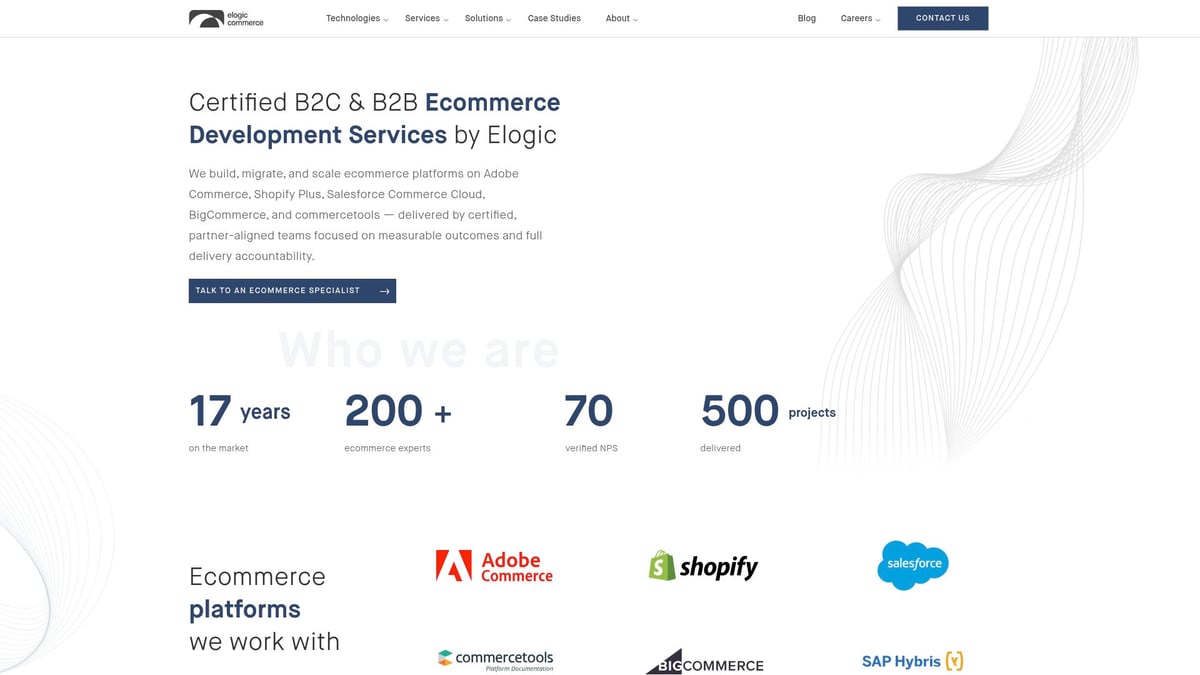
Elogic Commerce ranks among the best ecommerce development companies for established brands aiming for scalable, high-performance platforms. Their transparent hourly or project-based pricing appeals to mid-market and enterprise clients.
Core Features:
- Adobe Commerce, Shopify, BigCommerce builds
- UI/UX enhancement and complex system integrations
- Expert replatforming for seamless transitions
Unique Selling Points: Elogic excels in technical complexity, delivering custom builds and robust integrations that support global growth.
Target Audience: Established B2B and B2C brands seeking scalable ecommerce solutions.
Pros:
- 5/5 client ratings and a diverse portfolio
- Robust support and technical depth
Cons:
- May be more than needed for small startups
Real-World Example: A fashion retailer expanded to multiple regions and languages with Elogic, streamlining operations and boosting international sales.
DigitlHaus
DigitlHaus is frequently listed among the best ecommerce development companies for brands prioritizing conversion and omnichannel excellence. Their project-based pricing ensures clear deliverables and timelines.
Core Features:
- BigCommerce and Shopify expertise
- Headless commerce, UX/UI, SEO, and CRO services
Unique Selling Points: DigitlHaus specializes in conversion-focused design and advanced headless builds, enabling rapid scaling for ambitious brands.
Target Audience: Brands seeking seamless omnichannel experiences and high conversion rates.
Pros:
- Award-winning design team
- Strong measurable CRO results
- Headless commerce leadership
Cons:
- Limited to BigCommerce and Shopify platforms
Real-World Example: A beauty brand saw a 40% revenue increase post-launch, driven by custom design and advanced CRO strategies.
Bighorn Web Solutions LLC
Bighorn Web Solutions LLC earns its place among the best ecommerce development companies with a boutique, hands-on approach. Their flexible retainers and project rates make them accessible to mid-sized brands.

Core Features:
- Magento and Shopify Plus development
- ERP integration, UX design, and CRO
Unique Selling Points: Personalized service and deep platform expertise set Bighorn apart, providing tailored solutions for lifestyle, home, and wellness brands.
Target Audience: Mid-sized brands needing technical depth and ongoing support.
Pros:
- High client retention rates
- Strong technical skills and personalized attention
Cons:
- Smaller team may limit capacity for large, concurrent projects
Real-World Example: A home goods brand streamlined operations by integrating ERP and ecommerce, improving inventory accuracy and fulfillment speed.
DataArt
DataArt is recognized as one of the best ecommerce development companies for complex, custom solutions. They offer scalable pricing, with transparent hourly rates for SMBs and enterprises alike.
Core Features:
- Custom ecommerce development and platform migration
- System integration and strategic consulting
Unique Selling Points: With more than 20 years of cross-industry expertise, DataArt delivers innovative, globally scalable ecommerce projects.
Target Audience: Brands requiring custom platforms or advanced integrations.
Pros:
- Large, highly skilled technical team
- Strong project management capabilities
Cons:
- May be less agile than boutique agencies
Real-World Example: A health and wellness retailer launched a custom subscription platform, enabling flexible customer journeys and recurring revenue streams.
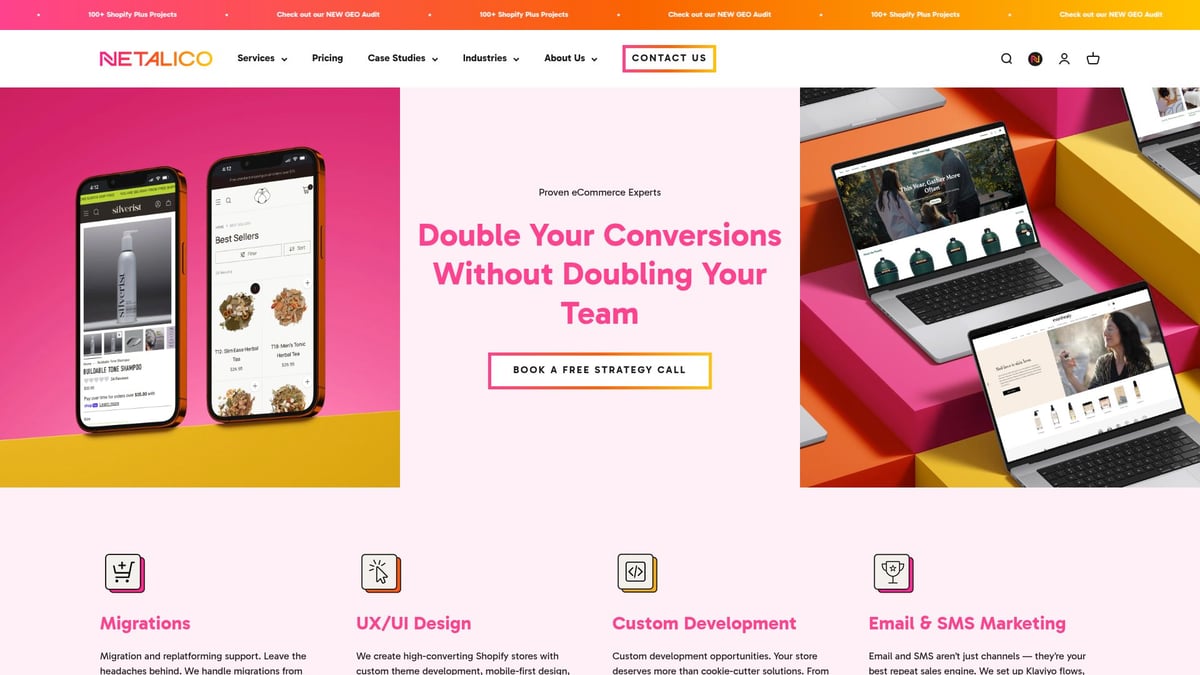
Netalico Commerce
Netalico Commerce stands out among the best ecommerce development companies for brands needing ongoing optimization and technical excellence. They offer monthly retainers and project-based pricing with clear billing.
Core Features:
- Magento, Shopify, WooCommerce development
- Site speed optimization and long-term support
Unique Selling Points: Focus on performance, security, and partnership, ensuring brands enjoy continuous growth and minimal downtime.
Target Audience: Brands seeking continuous site improvement and technical support.
Pros:
- Excellent client support and communication
- Strong technical performance and security focus
Cons:
- Less emphasis on creative or branding services
Real-World Example: A fashion brand reduced cart abandonment by 30% through site speed improvements and technical optimization.
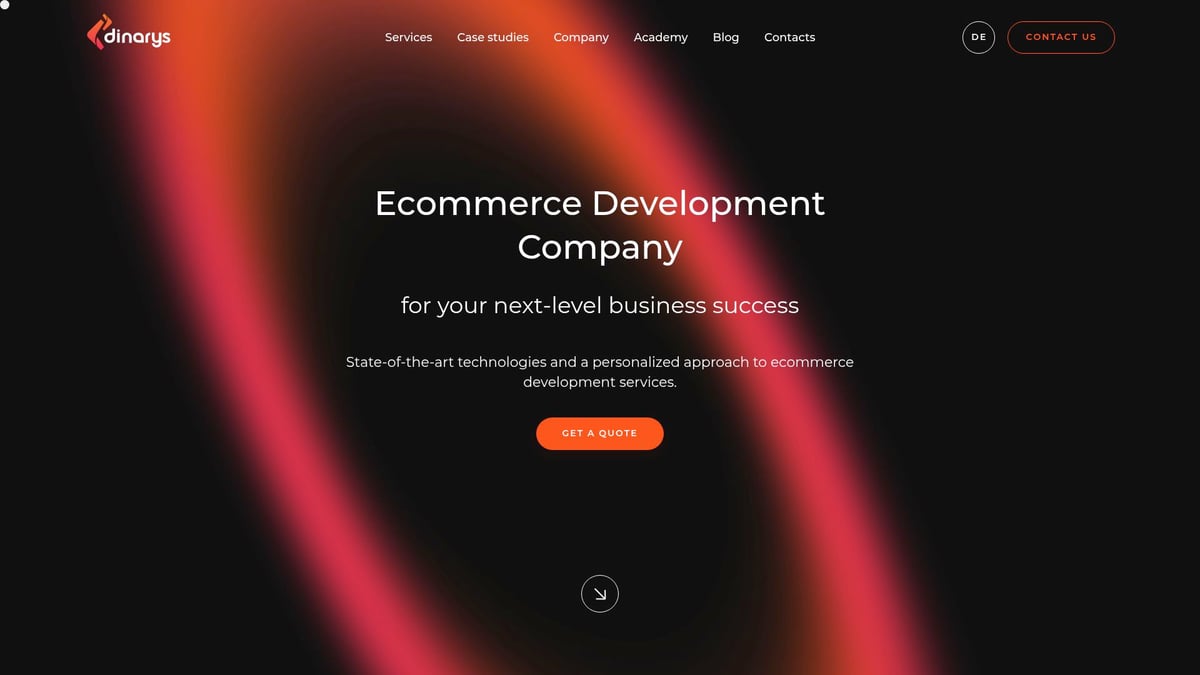
Dinarys
Dinarys has earned its reputation among the best ecommerce development companies with an expansive tech stack and flexible pricing starting at $100 per hour. Discounts are available for ongoing engagements.
Core Features:
- Magento, Shopware, Shopify, PIM, and custom development
- Comprehensive CRO and UX audits
Unique Selling Points: Dinarys supports both B2B and B2C brands, offering end-to-end services and technical depth for complex retail and marketplace projects.
Target Audience: Retailers, marketplaces, and D2C brands that value technical expertise.
Pros:
- Flexible project sizes and strong case studies
- Broad platform experience
Cons:
- May not offer full-service marketing
Real-World Example: A multivendor marketplace scaled to over 100,000 products, achieving seamless performance and robust inventory management.
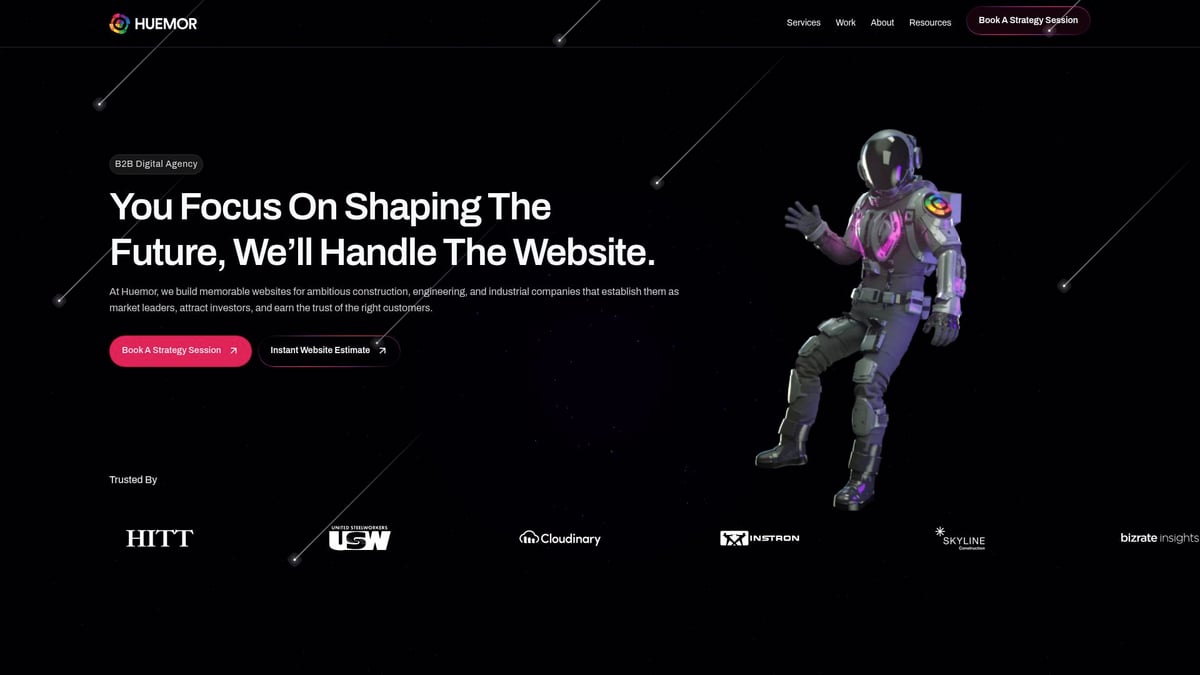
Huemor
Huemor closes out the list of the best ecommerce development companies with a creative-first, ROI-driven approach. Their project-based pricing is designed to deliver measurable business outcomes.
Core Features:
- Ecommerce website design, UX/UI, Shopify, WooCommerce, and digital strategy
Unique Selling Points: Award-winning UX and a collaborative, storytelling-driven process ensure memorable user experiences and high conversion rates.
Target Audience: Brands prioritizing creative design and user engagement.
Pros:
- Strong creative portfolio and proven CRO results
- Collaborative client process
Cons:
- May not suit brands needing complex technical integrations
Real-World Example: A lifestyle brand doubled its average order value through a strategic UX redesign and personalized shopping flows.
Platform Trends and Innovations Shaping Ecommerce Development in 2026
The ecommerce landscape is evolving rapidly in 2026, with technology and consumer expectations driving transformation across every touchpoint. To stay competitive, brands must align with the latest innovations and partner with the best ecommerce development companies that understand these shifts. Below, we explore the most impactful trends shaping the industry and offer actionable insights for brands in fashion, beauty, lifestyle, health, and home sectors.
Rise of Headless Commerce and Composable Architectures
Headless commerce and composable architectures are revolutionizing how brands deliver omnichannel experiences. By decoupling the front end from the back end, retailers gain agility to launch new channels, like mobile apps or pop-up microsites, without reworking core systems. For example, a beauty brand used a headless approach to roll out a mobile app and web shop simultaneously, cutting time to market by 40 percent.
To leverage this trend, the best ecommerce development companies guide clients through:
- Assessing readiness for headless migration
- Selecting flexible back-end technologies
- Planning phased rollouts across digital channels
Brands that embrace this model can adapt swiftly to consumer trends and outperform competitors.
AI and Personalization in Ecommerce
Artificial intelligence is at the heart of personalized shopping in 2026. From dynamic product recommendations to intelligent chatbots, AI tools help brands boost engagement and loyalty. Data shows that 80 percent of shoppers now expect tailored experiences.
Top brands partner with the best ecommerce development companies to implement AI-driven upsells, predictive analytics, and customer segmentation. A fashion retailer increased repeat purchases by 35 percent after deploying AI-powered product suggestions. For a deeper dive, explore Using AI in ecommerce to see how these strategies deliver measurable results.
To get started:
- Audit current personalization capabilities
- Identify high-impact AI tools for your sector
- Set clear KPIs for AI-driven initiatives
Seamless Integrations: Logistics, Payments, and Marketing
Seamless integration of logistics, payment, and marketing tools is now a baseline expectation. Brands with unified logistics see 25 percent faster deliveries, per ClickPost data. A home brand, for instance, reduced shipping errors by 60 percent after real-time carrier integration.
The best ecommerce development companies help brands:
- Connect ecommerce platforms with ERP and fulfillment systems
- Automate returns and inventory updates
- Integrate payment gateways for frictionless checkout
These steps improve efficiency and create a superior customer experience.
Sustainability and Ethical Commerce
Sustainability is more than a buzzword in 2026; it is a consumer demand. Data shows 60 percent of shoppers prefer brands with visible sustainability efforts. Lifestyle brands are adopting carbon-neutral shipping and ethical sourcing to stand out.
Partnering with the best ecommerce development companies enables brands to:
- Implement green logistics and packaging options
- Add transparency features, like supply chain tracking
- Highlight eco-friendly initiatives on product pages
Brands that prioritize ethical commerce build trust and long-term loyalty with their customers.
How to Choose the Right Ecommerce Development Partner for Your Brand
Selecting from the best ecommerce development companies is a critical decision that can shape your brand’s digital growth for years to come. The right partner will not only launch your online store but also empower your business to scale, adapt, and outperform competitors in a fast-changing ecommerce landscape.
Step-by-Step Selection Process
Start by defining your business objectives and technical needs. Are you aiming for a global launch, rapid replatforming, or a niche D2C experience? Next, shortlist agencies with deep expertise in your industry. For example, a fashion label should seek partners with a proven record in similar verticals.
Follow this actionable process:
- List your must-have features and integrations.
- Research agencies specializing in your sector.
- Request detailed proposals, including timelines and deliverables.
- Interview the teams to assess cultural fit and communication style.
A lifestyle brand recently followed these steps and chose a partner whose team had previously scaled similar brands internationally, resulting in a 35% faster time-to-market.
Evaluating Portfolio and References
Carefully review each contender’s portfolio. The best ecommerce development companies showcase measurable results, such as increased conversion rates or expanded global reach. Look for case studies relevant to your sector—did they help a home and living brand grow internationally or enable a beauty brand to boost online sales?
Red flags include vague project descriptions, lack of client testimonials, or generic portfolios. Always request direct references. For instance, a health retailer compared two agencies and chose the one with a case study demonstrating a 60% uplift in repeat purchases after launch.
Understanding Pricing and Engagement Models
Transparency in pricing is essential when partnering with the best ecommerce development companies. Common models include project-based, retainer, and hourly arrangements. Each has pros and cons: retainers suit ongoing optimization, while project-based pricing works for clear, defined scopes.
Ask for a detailed breakdown of costs, milestones, and what’s included. A D2C brand saved 20% on its build by negotiating a milestone-based contract. Compare proposals side by side using a table to clarify value:
| Model | Pros | Cons |
|---|---|---|
| Retainer | Ongoing support | Less flexibility |
| Project | Defined scope | Less adaptability |
| Hourly | Pay as needed | Can add up fast |
Ensuring Ongoing Support and Optimization
Ongoing support is vital for sustained growth, especially in ecommerce. The best ecommerce development companies offer regular performance reviews, KPIs, and proactive optimization. Brands that invest in ongoing conversion rate optimization (CRO) often see double-digit revenue increases.
For example, a wellness brand set quarterly CRO targets and saw 28% more conversions within six months. To learn more about effective optimization approaches, explore these conversion rate optimization strategies that top agencies use to drive results.
Set clear post-launch expectations, schedule regular check-ins, and ensure your partner provides performance data. This approach keeps your brand competitive and responsive to market shifts.
Frequently Asked Questions about Ecommerce Development Companies
Choosing among the best ecommerce development companies can be complex. Below, we answer the most pressing questions brands ask when searching for their ideal digital partner.
What platforms are most popular for ecommerce in 2026?
Shopify continues to dominate, powering over 30% of stores globally, followed by Magento and BigCommerce. For more details on platform adoption, see these Shopify Market Share Statistics 2025. The best ecommerce development companies typically specialize in at least two leading platforms.
How long does a typical ecommerce project take?
Most projects range from 6 to 16 weeks, depending on complexity. For example, a fashion brand migrating to Shopify might go live in 8 weeks, while a full custom build for a home goods retailer could take 4 months.
What should brands budget for a full-scale ecommerce build?
Budgets vary widely. Small builds start at $20,000, while enterprise projects can exceed $250,000. Pricing depends on features, integrations, and ongoing support.
How do agencies measure project success (KPIs, ROI)?
Key metrics include conversion rate, average order value, and ROI. Beauty brands often see a 40% increase in revenue within six months of a custom relaunch. For more on current KPIs and best practices, review Ecommerce Development Trends 2026.
What’s the difference between boutique and enterprise agencies?
| Boutique Agency | Enterprise Agency |
|---|---|
| Hands-on support | Large-scale resources |
| Custom solutions | Robust infrastructure |
| Suits mid-sized brands | Ideal for global brands |
How important is ongoing marketing and CRO after launch?
Essential. Continuous optimization, like email marketing and A/B testing, increases retention and revenue. Health brands using ongoing CRO have reported up to 30% higher conversion rates.
Can these agencies support international ecommerce expansion?
Yes, top agencies offer multi-language, multi-currency setups and global logistics integrations. Lifestyle brands have scaled to 50+ countries with specialized partners.
How do the best ecommerce development companies ensure long-term value?
They provide strategic guidance, transparent reporting, and scalable solutions tailored to your sector. Always review case studies to confirm proven, measurable results.
After exploring what sets the best ecommerce development companies apart in 2026—from technical expertise and creative vision to ongoing optimization and measurable results—you might be weighing your own next step. If you’re ready to take your ecommerce brand further and want a partner who genuinely understands how to balance data-driven growth with powerful brand storytelling, we’re here to help. Let’s talk about your goals, challenges, and what it takes to stand out in today’s competitive landscape. If you want tailored advice or just a conversation about what’s possible for your business, Contact us.
Article written using RankPill.


